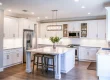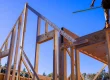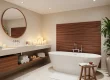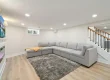
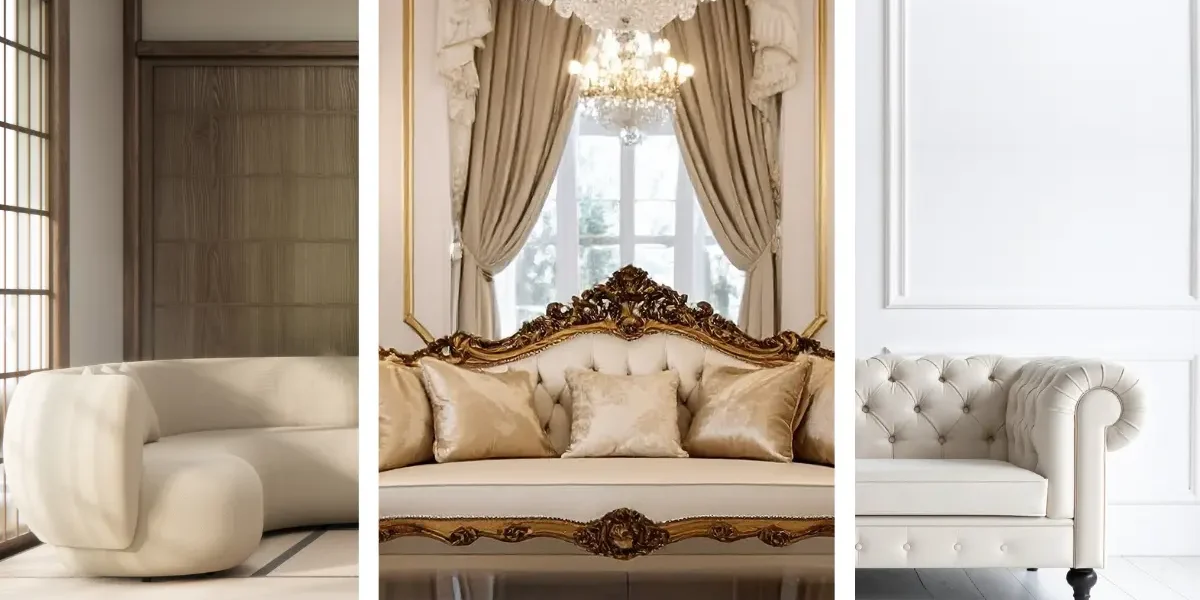
Choosing a design style could get difficult if you are someone who likes everything perfect. This is why you scroll through photos, pin a dozen posts on Pinterest, then wonder if it will still feel right years from now.
It’s completely normal.
At the end of the day, whichever style you choose, it should reflect your vibe and tell a story about you and your family. And we get why it’s a difficult choice because choosing the wrong one will affect your floor plan, your finishes, your lighting, and even how your spaces feel in winter.
To help you out, we created a skimmable guide to help you decide between modern, traditional, and transitional home design.
Differences Between Modern, Traditional, and Transitional Home Design
Modern Home Design
Modern home design keeps the look clean, simple, and minimal. It uses open space, straight lines, and minimal detail. Instead of fancy trim work or decorative features, it lets materials and finishes stand out, so the space feels calm, uncluttered, and easy to live in.
Core characteristics
- Focuses on function first, then visual impact
- Uses clean lines and simple shapes
- Prefers open layouts and clear sightlines
- Keeps trim and detailing minimal
Design elements
- Flat panel cabinets and slab style doors
- Simple baseboards and clean window casings
- Large windows and minimal window treatments
- Statement lighting with clean silhouettes
- Minimal decor with a few focal pieces
Overall feel
- Crisp, quiet, and refined
- Bright and airy when natural light stays strong
- Cooler without warm wood, texture, or soft lighting
Traditional Home Design
Traditional styles draw from classic European and early North American influences. It values symmetry, craftsmanship, and decorative detail. It works well in newer builds but only when the details feel intentional.
Core characteristics
- Emphasizes classic proportion and balance
- Uses more structure, with defined rooms
- Highlights craftsmanship through detail work
- Creates warmth through layers and texture
Design elements
- Crown molding, wainscoting, and detailed trim
- Panel doors and decorative window casings
- Built in cabinetry and furniture style millwork
- Pattern, texture, and layered lighting
- Formal focal points like fireplaces or feature walls
Overall feel
- Warm, elegant, and timeless
- Comfortable and grounded in winter climates
- Heavier if dark finishes dominate the space
Transitional Home Design
Transitional design gives a balanced look that does not feel too modern or too classic. It helps tie different finishes and pieces together, so the home looks consistent overall. People prefer transitional design because it feels warm and modern at the same time, while still feeling timeless.
Core characteristics
- Balances clean lines with softness and comfort
- Reduces ornament, but keeps some classic detail
- Prioritizes cohesion over strict rules
- Supports long term appeal and easy updates
Design elements
- Shaker cabinets or simple profile doors
- Subtle trim, often clean but not bare
- Neutral palettes with texture for depth
- Mix of classic and modern lighting styles
- Curated decor that gives a unique touch
Overall feel
- Comfortable, polished, and versatile
- Easy to refresh without redesigning everything
- Broad appeal for resale in many markets

Still Not Sure? Try Our Quick Decision List Instead:
Use the filters below to narrow the choice based on daily life, budget priorities, and the kind of atmosphere that feels right.
Choose a Modern Style if:
- Clean lines and minimal visual clutter matter more than decorative details
- Open layouts and strong natural light feel essential
- Simple, streamlined finishes feel calming, not boring
- Lower maintenance surfaces and fewer decor pieces suit the routine
- Design choices should feel current and intentional for years
Choose a Traditional Style if:
- Warmth, detail, and classic character feel important
- Defined rooms and a more structured layout suit daily life
- Millwork, trim, and craftsmanship feel worth the investment
- Rich textures, layered lighting, and classic finishes feel like home
- Property has older architecture or original charm to respect
- Timeless design matters more than trend driven updates
Choose a Transitional Style if:
- A balanced look feels better than a strict style rule
- A mix of old and new pieces needs to feel cohesive
- Neutral palettes and layered textures fit the vision
- Home has a mix of architectural features across eras
- Resale appeal matters, but comfort still leads decisions
Why Choose Your Kingston Contractor?
YKC prioritizes craftsmanship, clean execution, and a final result that feels complete. We have built several modern, traditional, and transitional homes in Kingston, Bath, Gananoque, and Odessa.
Reach out today to book a consultation and discuss the right plan for your home.