You are likely thinking about a home addition because your house no longer fits the way you live. Rooms feel tight. Storage feels limited. The idea of more space sounds like relief, especially when moving to a whole new space feels expensive and time-consuming.
Before you move forward, it is worth looking at the bigger picture. A home addition affects how your home functions, how it looks, how it holds value, and how you live through months of construction.
In our work across Kingston, we have seen homeowners invest in additions that created new challenges instead of solving the original ones. In many cases, the issue was not the size of the home, but how the existing space functioned.
If you are exploring a home addition in Ontario, these signs will help you understand when it may not be the best path.
5 Signs a Home Addition May Not Be Right for Your Property:
1. Zoning and Lot Constraints Limit Design Options
Every property has legal boundaries. Zoning bylaws control setbacks, height restrictions, and lot coverage. When a home already sits close to these limits, an addition may require multiple variances.
These approvals take time and often force design compromises. The final addition can end up not looking like what you actually imagined.
Tip: Before committing to an addition, review Kingston’s zoning limits to understand what is realistically possible on your property.
2. The Addition Breaks the Flow of the Home
Let’s say you love the amount of sunlight your home gets right now. The new floor plan can look perfect on paper, but the addition blocks light in main areas. This detail gets missed more often than people think.
Once framing goes up, reversing the plan costs serious money. You rarely get a clean do-over with an addition. That is why you should review sunlight impact before you approve drawings.
Here are some other layout issues that usually signal trouble:
- Long hallways that add distance but are not functional
- A new room that feels disconnected from the main living areas
- Tight side additions that create narrow rooms with poor flow
- Doorways and furniture layouts that start to feel cramped
3. Structural Upgrades Drive Up Costs Quickly
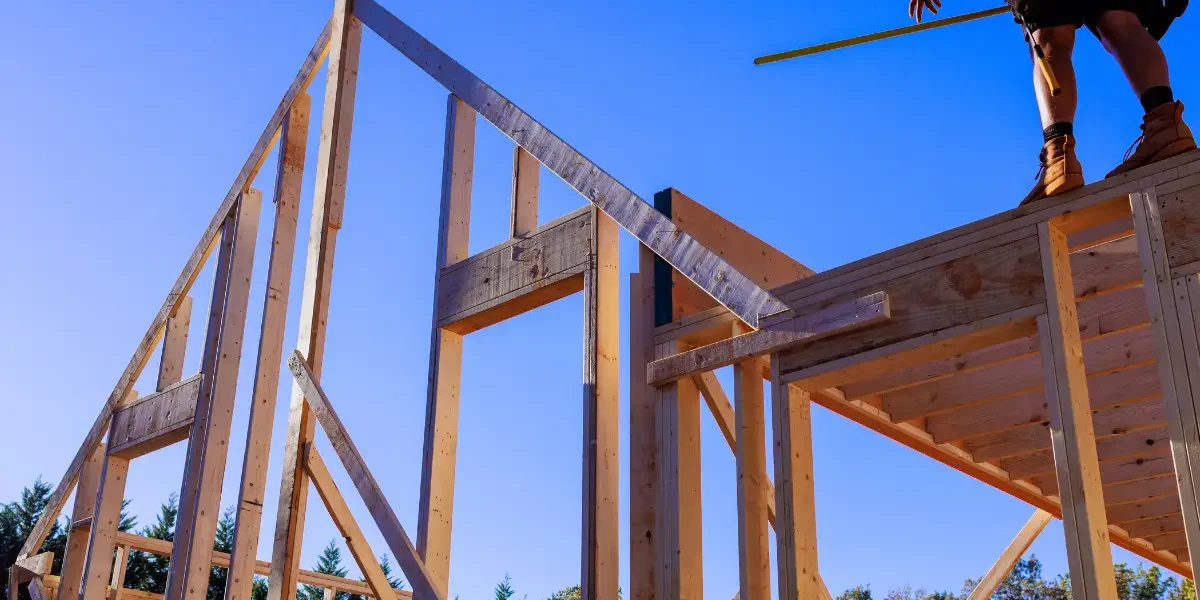
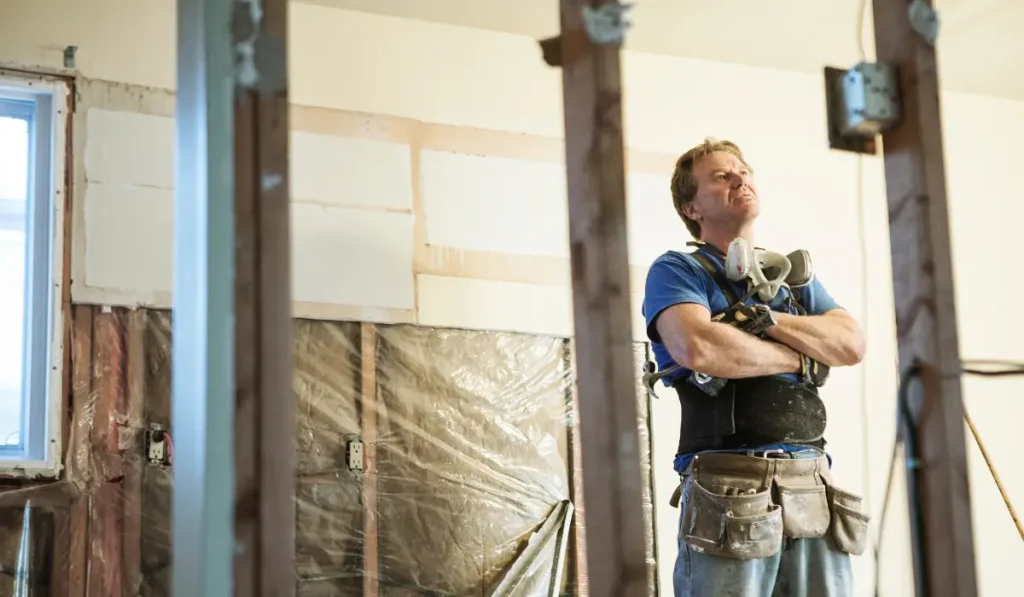
Some homes require significant structural work before an addition becomes possible. This may include foundation reinforcement, underpinning, or major framing changes.
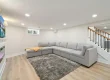
These upgrades add cost long before new space appears. At that point, basement renovations or interior reconfigurations often deliver better value with fewer risks.
Tip: If your home is older, budget extra time for structural surprises. Older framing and foundations can demand upgrades once demolition begins.
4. The Investment Exceeds Neighbourhood Value
In many Kingston neighbourhoods, there is a price range buyers expect, regardless of square footage. When an addition pushes a home well above comparable properties nearby, resale becomes harder. The return rarely matches the investment.
Structural work, exterior changes, and mechanical extensions add cost that buyers do not always “pay for” at resale.
Tip: Compare your total addition budget to three recent sales on your street. If the math pushes you far above those prices, the resale return may not justify the build.
5. Outdoor Space Gets Compromised
Outdoor space plays a larger role than many homeowners expect. Rear or side additions can eliminate yard space, reduce privacy, or limit future landscaping options.
Families often regret losing play areas or patio potential. Buyers also value a good amount of balance between indoor and outdoor living.
If the addition leaves little usable outdoor space, the trade off may not be worth it.
Watch for these outdoor risks before you commit:
- A tighter yard can make the entire property feel smaller, even with more interior space.
- Privacy can drop fast when patios and windows move closer to neighbours.
- Snow storage becomes harder in Ontario, especially near walkways and foundations.
- Outdoor layouts can feel small when patios, sheds, playsets, or gardens no longer fit well.
- Resale buyers notice outdoor trade offs and may view the home as less family friendly.
- Drainage issues can increase due to more roof area and less ground absorption.
Get Clear Guidance Before You Commit to a Home Addition
At Your Kingston Contractor, we never assume an addition is the right answer. We assess your property, structure, layout, and long term goals before we recommend a direction.
Sometimes the smartest advice is not to build more space. It is to build the right space.If you feel unsure about a home addition, we can walk you through your options. Book a free consultation with Team YKC and get clear guidance before you commit.